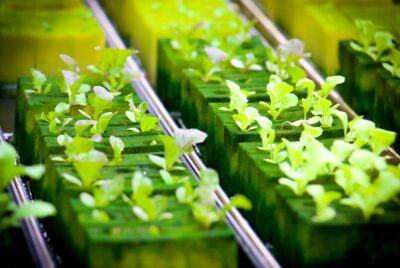
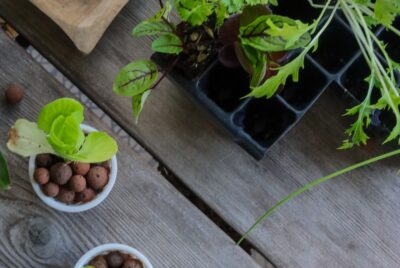
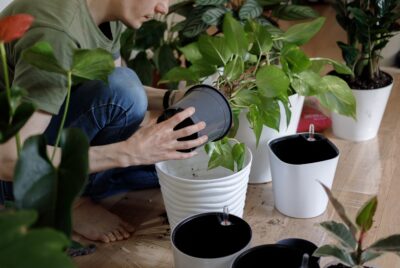
Indoor Hydroponic System – Setting It Up
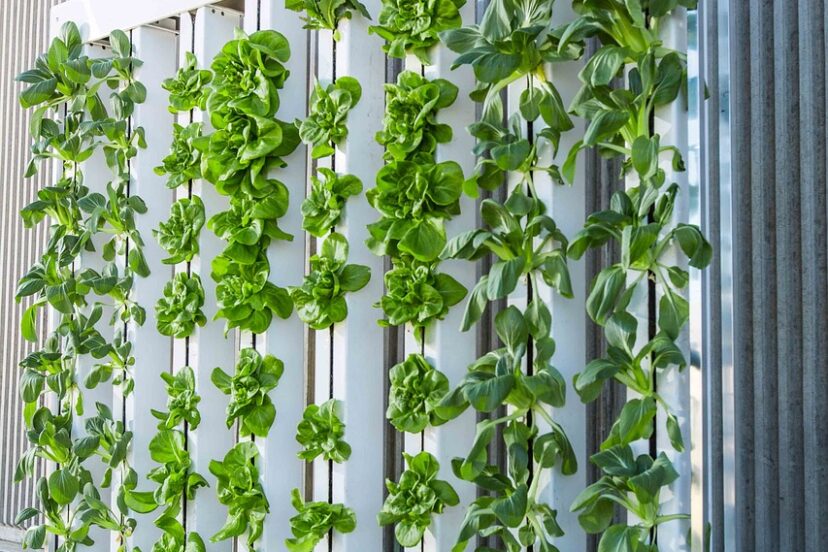
One of the main advantages of the indoor hydroponic system is the ability to grow plants in any location, regardless of climate or soil conditions. This means that even those living in urban areas or apartments can enjoy the benefits of gardening. Additionally, hydroponic systems allow for higher yields and faster growth compared to traditional soil-based gardening methods.
Benefits of an Indoor Hydroponic System
One of the key benefits of an indoor hydroponic system, is the ability to achieve higher yields and faster growth compared to traditional gardening methods. This is because plants grown hydroponically have direct access to all the nutrients they need, resulting in healthier and more productive plants. Additionally, hydroponic systems can be designed to provide optimal growing conditions, such as the right temperature, humidity, and lighting, further enhancing plant growth.
Another advantage of hydroponic gardening is water conservation. Traditional gardening methods often require large amounts of water, as much of it is lost through evaporation or runoff. In contrast, hydroponic systems use water more efficiently, as it is recirculated and reused. This not only saves water but also reduces the risk of water pollution from fertilizers and pesticides.
Hydroponic gardening also eliminates the risk of soil-borne diseases, which can be a major problem in traditional gardening. Soil-borne diseases are caused by pathogens that live in the soil and can infect plants, leading to stunted growth or even death. By eliminating the need for soil, hydroponic systems eliminate this risk, resulting in healthier and more disease-resistant plants.
Furthermore, hydroponic gardening eliminates the need for pesticides. In traditional gardening, pests such as insects and rodents can cause significant damage to plants, requiring the use of chemical pesticides. However, in hydroponic systems, pests are less likely to be a problem, as there is no soil for them to live in. This means that hydroponic plants can be grown without the use of harmful chemicals, resulting in healthier and safer produce.
Finally, hydroponic gardening allows for year-round gardening. Traditional gardening is often limited to specific seasons, as plants require certain temperature and light conditions to grow. However, with hydroponic systems, these conditions can be controlled, allowing for year-round gardening. This means that you can enjoy fresh produce from your hydroponic garden regardless of the time of year.
Choosing the Right Indoor Hydroponic System for Your Space
When it comes to choosing a hydroponic system for indoor gardening, there are several factors to consider. The first is the size of your space. If you have limited space, you may want to consider a smaller system, such as a countertop or vertical hydroponic system. On the other hand, if you have a larger space, you may opt for a larger system, such as a nutrient film technique (NFT) or deep water culture (DWC) system.
Another factor to consider is your level of experience and expertise. Some hydroponic systems, such as ebb and flow or aeroponic systems, require more technical knowledge and maintenance compared to simpler systems like wick or drip systems. If you are new to hydroponic gardening, you may want to start with a simpler system and gradually work your way up as you gain more experience.
Additionally, you should consider the types of plants you want to grow. Some plants, such as leafy greens or herbs, are well-suited for hydroponic gardening and can thrive in a variety of systems. However, other plants, such as fruiting plants or root vegetables, may require more specialized systems or additional equipment, such as trellises or grow tents.
Some popular hydroponic systems for indoor gardening include:
– Wick system: This is one of the simplest and most beginner-friendly indoor hydroponic systems. It consists of a reservoir of nutrient solution, a wick that draws the solution up to the plants, and a grow tray where the plants are placed. This system is low-maintenance and requires no electricity or pumps.
– Deep water culture (DWC) system: In this system, plants are suspended in a nutrient-rich water solution with their roots submerged. An air stone is used to provide oxygen to the roots. This system is popular for its simplicity and ability to support fast-growing plants.
– Nutrient film technique (NFT) system: This particular style of indoor hydroponic system uses a shallow, sloping channel to continuously flow a thin film of nutrient solution over the roots of the plants. The excess solution is then collected and recirculated. NFT systems are popular for their efficiency and ability to support a large number of plants.
Essential Components of an Indoor Hydroponic System
Regardless of the type of hydroponic system you choose, there are several essential components that are common to most systems. These components work together to provide the optimal growing conditions for your plants.
The first component is the reservoir, which holds the nutrient solution. The size of the reservoir will depend on the size of your system and the number of plants you are growing. It is important to choose a reservoir that is large enough to hold an adequate amount of solution, as well as one that is made of a material that is resistant to algae growth and easy to clean.
The second component is the grow tray, which holds the plants and the growing medium. The size and shape of the grow tray will depend on the type of system you are using. It is important to choose a grow tray that is sturdy and durable, as well as one that is easy to clean and resistant to mold and mildew.
The third component is the pump, which is used to circulate the nutrient solution. The pump should be chosen based on the size of your system and the flow rate required. It is important to choose a pump that is reliable and energy-efficient, as well as one that is easy to clean and maintain.
The fourth component is the air stone, which is used to provide oxygen to the roots of the plants. The air stone should be chosen based on the size of your system and the oxygen requirements of your plants. It is important to choose an air stone that is durable and easy to clean, as well as one that is compatible with your pump and tubing.
The fifth component is the pH meter, which is used to measure the acidity or alkalinity of the nutrient solution. Maintaining the proper pH level is crucial for the health and growth of your plants. It is important to choose a pH meter that is accurate and easy to use, as well as one that is durable and easy to calibrate.
Finally, the sixth component is the nutrient solution, which provides the essential nutrients for your plants. The nutrient solution should be chosen based on the specific needs of your plants and the stage of growth they are in. It is important to choose a nutrient solution that is balanced and contains all the necessary nutrients, as well as one that is easy to mix and adjust.
Selecting the Right Lighting for Your Hydroponic Plants
Lighting is a crucial component of indoor hydroponic systems, as it provides the energy that plants need for photosynthesis. There are several types of grow lights available, each with its own advantages and disadvantages. When choosing grow lights for your hydroponic plants, there are several factors to consider.
The first factor to consider is the type of plants you are growing. Different plants have different light requirements, so it is important to choose grow lights that provide the right spectrum and intensity of light. For example, leafy greens and herbs generally require less intense light compared to fruiting plants or flowering plants.
The second factor to consider is the size of your space. If you have a small space, you may opt for compact fluorescent lights (CFLs) or light-emitting diodes (LEDs), which are energy-efficient and produce less heat. On the other hand, if you have a larger space, you may opt for high-intensity discharge (HID) lights, such as metal halide (MH) or high-pressure sodium (HPS) lights, which provide more intense light but also generate more heat.
The third factor to consider is the cost and energy efficiency of the grow lights. LED lights are generally more expensive upfront but are more energy-efficient and have a longer lifespan compared to other types of lights. On the other hand, HID lights are less expensive upfront but consume more energy and may require more frequent bulb replacements.
The fourth factor to consider is the heat generated by the grow lights. Some types of lights, such as HID lights, can generate a significant amount of heat, which can be detrimental to the health and growth of your plants. It is important to choose grow lights that have built-in cooling systems or to provide adequate ventilation and air circulation in your growing space.
Some popular grow lights for indoor hydroponic systems include:
– Compact fluorescent lights (CFLs): These lights are energy-efficient and produce less heat compared to other types of lights. They are available in a variety of sizes and spectrums, making them suitable for a wide range of plants. CFLs are a popular choice for small-scale or beginner hydroponic systems.
– Light-emitting diodes (LEDs): These lights are highly energy-efficient and have a long lifespan. They are available in a variety of spectrums, allowing for precise control over the light requirements of your plants. LEDs are a popular choice for larger-scale or advanced hydroponic systems.
– Metal halide (MH) lights: These lights produce a blue spectrum of light, which is ideal for vegetative growth. They are commonly used during the early stages of plant growth. MH lights are a popular choice for hydroponic systems that focus on leafy greens or herbs.
– High-pressure sodium (HPS) lights: These lights produce a red spectrum of light, which is ideal for flowering and fruiting plants. They are commonly used during the later stages of plant growth. HPS lights are a popular choice for hydroponic systems that focus on fruiting plants or flowering plants.
Understanding Nutrient Solutions and pH Levels
Nutrient solutions are a crucial component of hydroponic systems, as they provide the essential nutrients that plants need for growth. These solutions are typically made by dissolving specific ratios of fertilizers in water. When choosing a nutrient solution for your hydroponic plants, it is important to consider the specific needs of your plants and the stage of growth they are in.
The nutrient solution should contain all the essential macronutrients and micronutrients that plants need. Macronutrients include nitrogen (N), phosphorus (P), and potassium (K), while micronutrients include iron (Fe), manganese (Mn), zinc (Zn), and others. It is important to choose a nutrient solution that is balanced and contains the right ratios of these nutrients, as an imbalance can lead to nutrient deficiencies or toxicities.
The pH level of the nutrient solution is also crucial for the health and growth of your plants with the indoor hydroponic system. pH is a measure of the acidity or alkalinity of a solution and can affect the availability of nutrients to plants. Most plants prefer a slightly acidic pH level, around 5.5 to 6.5. It is important to regularly monitor and adjust the pH level of your nutrient solution to ensure optimal nutrient uptake by your plants.
Maintaining the proper pH level can be achieved by using pH adjusters, such as pH up or pH down solutions. These solutions are used to raise or lower the pH level of the nutrient solution, respectively. It is important to follow the instructions provided by the manufacturer when using pH adjusters, as adding too much can result in drastic pH swings that can be harmful to your plants.
Regularly testing the pH level of your nutrient solution is crucial to ensure the health and growth of your plants. This can be done using a pH meter or pH test strips. It is important to calibrate your pH meter regularly to ensure accurate readings. Additionally, it is recommended to test the pH level of your nutrient solution at least once a week and adjust as necessary.
Plant Selection and Maintenance
When it comes to the indoor hydroponic system, not all plants are created equal. Some plants are better suited for hydroponic systems, while others may require more specialized equipment or conditions. When selecting plants for your hydroponic garden, it is important to consider their specific needs and requirements.
Leafy greens and herbs are some of the best plants for hydroponic gardening. These plants have shallow root systems and can thrive in a variety of hydroponic systems. Some popular choices include lettuce, spinach, kale, basil, and mint. These plants are relatively easy to grow and can provide a continuous harvest throughout the year.
Fruiting plants, such as tomatoes, peppers, and strawberries, can also be grown hydroponically. However, these plants require more specialized systems or equipment, such as trellises or grow tents, to support their growth. Additionally, they may require more intense lighting and higher nutrient levels compared to leafy greens or herbs.
Root vegetables, such as carrots or potatoes, are generally not well-suited for hydroponic gardening. These plants require a deep and loose soil for their roots to grow and develop properly. However, some smaller varieties of root vegetables, such as radishes or beets, can be grown hydroponically with success.
When it comes to maintaining healthy plants in your hydroponic system, there are several tips to keep in mind. First, it is important to regularly monitor and adjust the nutrient levels in your system. This can be done by regularly testing the nutrient solution and adding or adjusting the fertilizers as necessary. It is also important to regularly clean and maintain your system to prevent the buildup of algae or other contaminants.
Second, it is important to provide adequate lighting for your plants. Different plants have different light requirements, so it is important to choose the right type and intensity of grow lights. Additionally, it is important to provide the right duration of light, as most plants require a period of darkness for proper growth and development.
Third, it is important to provide adequate air circulation and ventilation in your growing space. This can be achieved by using fans or ventilation systems to circulate the air and prevent the buildup of heat or humidity. Adequate air circulation is crucial for preventing the growth of mold or mildew and ensuring the health and growth of your plants.
Finally, it is important to regularly monitor and adjust the pH level
If you’re interested in setting up your own indoor hydroponic system, you’ll definitely want to check out this informative article on hydroindoors.com. They have a wide range of articles and resources dedicated to helping you create a successful indoor garden. One related article that caught my attention is their guide on creating an indoor herb garden. It provides valuable tips and insights on how to grow your favorite herbs indoors using hydroponics. Whether you’re a seasoned gardener or just starting out, this article is a must-read for anyone looking to bring the joys of gardening indoors. Check it out here!