Indoor Hydroponic Gardening – The Ultimate Guide
Indoor hydroponic gardening is a method of growing plants without soil, using nutrient-rich water instead. This innovative gardening technique has gained popularity in recent years, especially among urban dwellers who lack access to outdoor space for traditional gardening. Indoor hydroponic gardening allows individuals to grow their own fresh produce year-round, regardless of the weather or limited space. In this article, we will explore the benefits of indoor hydroponic gardening, how to get started, essential tools and materials needed, selecting the right plants, nutrient solutions, lighting, temperature and humidity control, pest control, harvesting and enjoying the produce, troubleshooting common issues, and conclude with encouragement to start an indoor hydroponic garden.
The Benefits of Indoor Hydroponic Gardening
One of the main benefits of indoor hydroponic gardening is the ability to grow plants year-round. Traditional outdoor gardening is limited by the seasons, but with indoor hydroponics, you can create the perfect growing conditions for your plants regardless of the time of year. This means you can enjoy fresh produce even in the dead of winter.
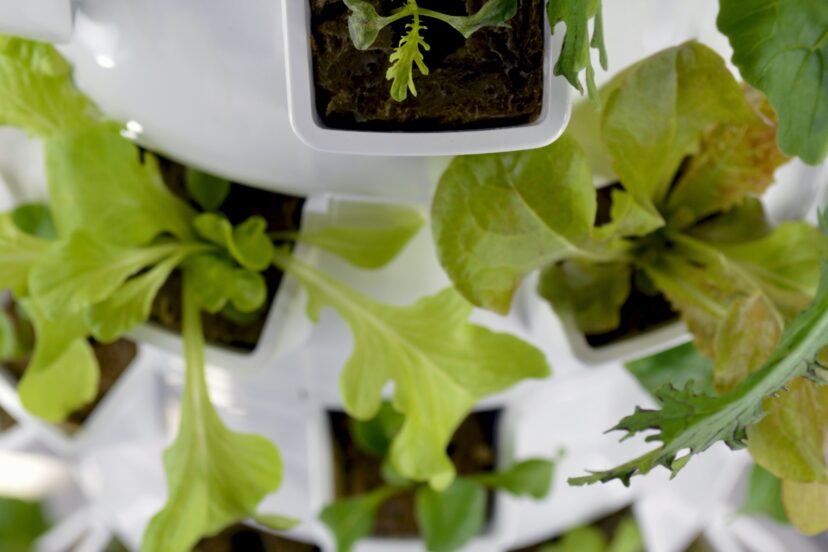
Another advantage of indoor hydroponic gardening is the space-saving aspect. For urban dwellers who may not have access to a backyard or garden, indoor hydroponics provides a solution. With vertical growing systems and compact setups, you can maximize your space and grow a variety of plants in a small area.
Water conservation is also a significant benefit of indoor hydroponic gardening. Traditional gardening methods require a significant amount of water, but hydroponics uses a recirculating system that conserves water. The water is constantly recycled and reused, reducing water waste.
Chemical-free produce is another advantage of indoor hydroponic gardening. With traditional gardening, there is a risk of pesticides and other chemicals being used on the plants. However, with hydroponics, you have complete control over the nutrients and can ensure that your produce is free from harmful chemicals.
Lastly, indoor hydroponic gardening often yields higher results compared to traditional gardening. The controlled environment allows for optimal growing conditions, resulting in faster growth and higher yields. This means you can enjoy a bountiful harvest of fresh produce from your indoor garden.
Getting Started: Choosing the Right System for Your Space
When starting an indoor hydroponic garden, it is essential to choose the right system for your space. There are several types of hydroponic systems to choose from, including deep water culture, nutrient film technique, ebb and flow, and aeroponics. Each system has its own advantages and considerations, so it is important to research and choose the one that best suits your needs.
Factors to consider when choosing a system include the available space, budget, and the types of plants you want to grow. Some systems require more space and equipment, while others are more compact and budget-friendly. Additionally, certain plants may thrive better in specific systems, so it is important to consider the needs of your chosen plants.
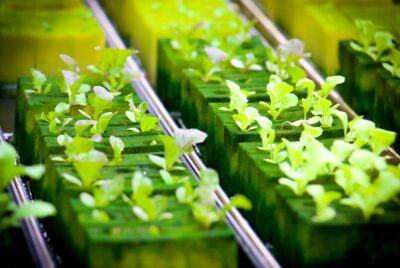
Some popular hydroponic systems for indoor gardening include the Kratky method, which is a passive hydroponic system that requires no electricity or pumps. It is a simple and low-maintenance system that is ideal for beginners. Another popular system is the nutrient film technique (NFT), which involves a constant flow of nutrient-rich water over the roots of the plants. This system is great for growing leafy greens and herbs.
Essential Tools and Materials for Successful Indoor Hydroponic Gardening
To ensure successful indoor hydroponic gardening, there are several essential tools and materials that you will need. These include:
1. Grow lights: Since indoor hydroponic gardening relies on artificial lighting, it is crucial to invest in high-quality grow lights. LED grow lights are the most popular choice due to their energy efficiency and ability to provide the full spectrum of light needed for plant growth.
2. pH meter: Maintaining the correct pH level is crucial for the health of your plants. A pH meter will help you monitor and adjust the pH of your nutrient solution.
3. Nutrient solution: This is the key component of hydroponic gardening, as it provides the necessary nutrients for plant growth. There are pre-mixed nutrient solutions available, or you can create your own using specific ratios of nutrients.
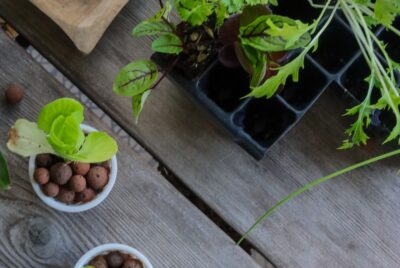
4. Growing medium: Unlike traditional gardening, hydroponics does not use soil. Instead, a growing medium is used to support the plants and provide stability. Common growing mediums include rockwool, coconut coir, perlite, and vermiculite.
5. Water pump: Depending on the hydroponic system you choose, you may need a water pump to circulate the nutrient solution.
6. Air pump: Some hydroponic systems require an air pump to provide oxygen to the roots of the plants.
7. Containers: You will need containers to hold the plants and the nutrient solution. These can be trays, buckets, or specialized hydroponic containers.
Selecting the Right Plants for Your Indoor Garden
When selecting plants for your indoor hydroponic garden, it is important to consider several factors. First, consider the available space and the height that the plants will grow. Some plants, such as tomatoes or cucumbers, require more vertical space, while others, like herbs or lettuce, can be grown in smaller spaces.
Next, consider the lighting requirements of the plants. Different plants have different light requirements, so it is important to choose plants that will thrive under the type of grow lights you have.
Lastly, consider the growth rate and the time it takes for the plants to mature. Some plants, like lettuce or herbs, have a shorter growing cycle and can be harvested sooner, while others, like tomatoes or peppers, take longer to mature.
Some popular plants for indoor hydroponic gardening include lettuce, herbs (such as basil, parsley, and mint), spinach, kale, cherry tomatoes, and strawberries. These plants are relatively easy to grow and do well in hydroponic systems.
Nutrient Solutions: What You Need to Know
Nutrient solutions are a crucial component of indoor hydroponic gardening, as they provide the necessary nutrients for plant growth. There are several types of nutrient solutions available, including pre-mixed solutions and DIY solutions.
Pre-mixed nutrient solutions are convenient and easy to use, as they come already balanced with the necessary nutrients. However, they can be more expensive compared to DIY solutions.
DIY nutrient solutions involve mixing specific ratios of nutrients to create a balanced solution. This allows for more control over the nutrient levels and can be more cost-effective in the long run. However, it requires more knowledge and understanding of the nutrient requirements of the plants.
When mixing nutrient solutions, it is important to follow the instructions provided by the manufacturer or use a reliable nutrient calculator. This will ensure that the plants receive the correct balance of nutrients.
Common nutrient deficiencies in hydroponic gardening include nitrogen, phosphorus, and potassium deficiencies. These can be identified by observing the symptoms in the plants, such as yellowing leaves or stunted growth. To fix nutrient deficiencies, you can adjust the nutrient solution by adding the specific nutrient that is lacking.
Lighting for Your Indoor Hydroponic Garden
Lighting is a crucial aspect of indoor hydroponic gardening, as plants need light for photosynthesis and growth. There are several types of grow lights available, including fluorescent lights, high-intensity discharge (HID) lights, and LED lights.
Fluorescent lights are a popular choice for beginners, as they are affordable and easy to set up. They provide a good spectrum of light for plant growth, but they are not as energy-efficient as other options.
HID lights, such as metal halide (MH) and high-pressure sodium (HPS) lights, are more powerful and provide a higher intensity of light. They are suitable for larger indoor gardens and are commonly used in commercial operations. However, they can be more expensive and require additional equipment, such as ballasts and reflectors.
LED lights are the most popular choice for indoor hydroponic gardening, as they are energy-efficient and provide the full spectrum of light needed for plant growth. They are more expensive upfront but can save on energy costs in the long run. LED lights also produce less heat, reducing the risk of heat damage to the plants.
When choosing the right grow light for your indoor hydroponic garden, consider the size of your space, the type of plants you are growing, and your budget. It is important to provide the correct intensity and spectrum of light for optimal plant growth.
Temperature and Humidity Control: Maintaining Optimal Growing Conditions
Temperature and humidity control are crucial for maintaining optimal growing conditions in an indoor hydroponic garden. Different plants have different temperature and humidity requirements, so it is important to research the specific needs of your chosen plants.
The ideal temperature range for most plants is between 65-75°F (18-24°C) during the day and slightly cooler at night. However, some plants, such as lettuce or herbs, can tolerate slightly higher temperatures, while others, like tomatoes or peppers, prefer warmer temperatures.
Humidity levels also play a significant role in plant growth. Most plants thrive in a humidity range of 50-70%. However, it is important to note that high humidity levels can increase the risk of fungal diseases, so proper air circulation is essential.
To control temperature and humidity in your indoor hydroponic garden, you can use fans, heaters, air conditioners, and dehumidifiers. Fans help circulate the air and prevent stagnant air pockets, while heaters and air conditioners can be used to adjust the temperature. Dehumidifiers are useful for reducing excess humidity in the air.
It is important to monitor the temperature and humidity levels regularly and make adjustments as needed to ensure optimal growing conditions for your plants.
Pest Control: Keeping Your Indoor Garden Healthy and Pest-Free
Pest control is an important aspect of indoor hydroponic gardening, as pests can quickly damage or destroy your plants. Common pests in indoor hydroponic gardening include aphids, spider mites, whiteflies, and fungus gnats.
To prevent pests, it is important to maintain a clean and hygienic growing environment. Regularly clean and disinfect your equipment and containers to prevent the buildup of pests and diseases. Inspect your plants regularly for any signs of pests or damage, and take immediate action if you spot any.
Natural pest control methods are preferred in indoor hydroponic gardening, as chemical pesticides can be harmful to both the plants and the environment. Some natural pest control methods include introducing beneficial insects, such as ladybugs or predatory mites, to feed on the pests. You can also use organic pest control sprays made from ingredients like neem oil or insecticidal soap.
If natural methods are not effective, chemical pest control methods can be used as a last resort. However, it is important to use these chemicals sparingly and follow the instructions carefully to avoid any harm to the plants or yourself.
Harvesting and Enjoying Your Indoor Hydroponic Greens
Knowing when and how to harvest your indoor hydroponic greens is crucial for enjoying the fruits of your labor. The timing of the harvest will depend on the specific plant and its growth cycle.
Leafy greens, such as lettuce or spinach, can be harvested when the leaves are large enough to be picked. Simply cut the outer leaves, leaving the inner leaves to continue growing. This allows for a continuous harvest throughout the growing season.
Herbs can be harvested by cutting the stems just above a leaf node. This will encourage new growth and ensure a continuous supply of fresh herbs.
Fruiting plants, such as tomatoes or peppers, can be harvested when the fruits are fully ripe. This is usually indicated by a change in color and firmness. Gently twist or cut the fruits from the plant to avoid damaging the stems or other fruits.
Once harvested, it is important to store the produce properly to maintain its freshness. Leafy greens can be stored in a plastic bag or container in the refrigerator. Herbs can be stored in a glass of water, similar to a bouquet of flowers. Fruits should be stored at room temperature until they are ready to be eaten.
There are countless recipes that can be made using the fresh produce from your indoor hydroponic garden. From salads and stir-fries to smoothies and sauces, the possibilities are endless. Experiment with different flavors and combinations to create delicious and healthy meals using your homegrown greens.
Troubleshooting Common Issues in Indoor Hydroponic Gardening
Like any form of gardening, indoor hydroponic gardening can come with its fair share of challenges. Common issues that may arise include nutrient deficiencies, pH imbalances, temperature fluctuations, and pest infestations.
To identify and fix common issues, it is important to regularly monitor and observe your plants. Look for any signs of discoloration, stunted growth, or pest damage. Use a pH meter to check the pH of your nutrient solution and adjust as needed. If you notice any nutrient deficiencies, adjust the nutrient solution by adding the specific nutrient that is lacking.
Temperature fluctuations can be caused by improper temperature control or inadequate air circulation. Ensure that your grow lights are not generating excessive heat and that your fans are providing adequate air circulation. If necessary, adjust the temperature using heaters or air conditioners.
If you are experiencing pest infestations, identify the specific pest and take appropriate action. Use natural pest control methods first, and if necessary, resort to chemical pesticides as a last resort.
If you are unsure how to address a specific issue or if the problem persists, it may be necessary to seek professional help. There are experts and consultants who specialize in indoor hydroponic gardening and can provide guidance and solutions to any problems you may encounter.
Conclusion
In conclusion, indoor hydroponic gardening offers numerous benefits for urban dwellers who lack access to outdoor gardening space. With year-round gardening, space-saving setups, water conservation, chemical-free produce, and higher yields, indoor hydroponic gardening is a sustainable and rewarding way to grow your own fresh produce.
Getting started with indoor hydroponic gardening involves choosing the right system for your space, gathering essential tools and materials, selecting the right plants, understanding nutrient solutions, providing proper lighting, controlling temperature and humidity, preventing pests, and knowing when and how to harvest your produce.
While there may be challenges along the way, troubleshooting common issues and seeking professional help when needed will ensure a successful indoor hydroponic garden. So why not give it a try and start your own indoor hydroponic garden today? You’ll be rewarded with fresh and healthy produce right at your fingertips.
If you’re interested in setting up your own indoor hydroponic garden, you’ll definitely want to check out this informative article on hydroindoors.com. It provides valuable insights and tips on how to create a thriving indoor garden, allowing you to grow your favorite herbs and plants all year round. Whether you’re a beginner or an experienced gardener, this article is a must-read for anyone looking to bring the beauty of nature indoors.