Indoor Garden System Hacks
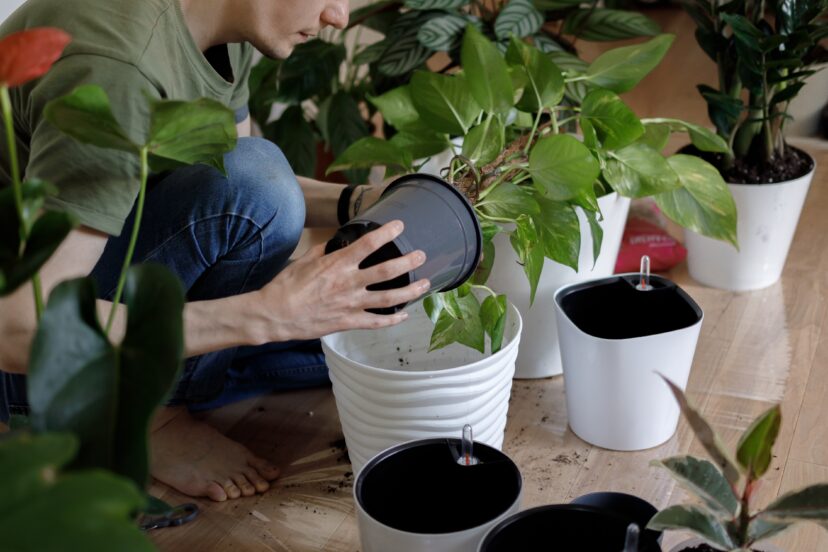
In recent years, the indoor garden system has become a popular trend in home decor. People are increasingly bringing nature indoors and creating their own little green oasis within their living spaces. This trend can be attributed to a variety of factors, including the desire to have a connection with nature, the health benefits of indoor plants, and the aesthetic appeal of having a lush and vibrant indoor garden.
Bringing nature indoors has numerous benefits for both our physical and mental well-being. Indoor plants have been shown to improve air quality by removing toxins and releasing oxygen. They can also help to regulate humidity levels and reduce the risk of respiratory illnesses. In addition, studies have shown that being surrounded by plants can reduce stress, improve mood, and increase productivity. With these benefits in mind, it’s no wonder that indoor gardening has become such a popular trend.
Benefits of Indoor Gardens: Health, Aesthetics, and Sustainability
One of the main benefits of indoor gardens is the positive impact they can have on our health. Indoor plants have been shown to improve air quality by removing toxins and releasing oxygen. They can help to reduce the levels of carbon dioxide and other pollutants in the air, which can lead to a healthier living environment. In addition, plants can help to regulate humidity levels and reduce the risk of respiratory illnesses. This is especially beneficial for those who suffer from allergies or asthma.
In addition to the health benefits, indoor gardens can also enhance the aesthetics of your home. Plants add a touch of natural beauty and can create a calming and peaceful atmosphere. They can be used to create focal points in a room or to add color and texture to a space. Whether you prefer a minimalist look or a more eclectic style, there are countless ways to incorporate indoor plants into your home decor.
Another benefit of indoor gardens is their sustainability. By growing your own produce indoors, you can reduce your carbon footprint and have a more sustainable lifestyle. Indoor gardening allows you to have fresh, organic produce at your fingertips, without the need for pesticides or other harmful chemicals. This not only benefits your health, but also the health of the planet.
Choosing the Right Plants for Your Indoor Garden System
When it comes to choosing plants for your indoor garden system, there are several factors to consider. First and foremost, you need to consider the amount of light your plants will receive. Some plants require direct sunlight, while others can thrive in low-light environments. It’s important to choose plants that are suited to the lighting conditions in your home.
For those with low-light environments, there are still plenty of options for indoor plants. Some popular choices include snake plants, pothos, and ZZ plants. These plants are known for their ability to thrive in low-light conditions and require minimal care. They are perfect for those who are new to indoor gardening or have limited access to natural light.
When selecting plants for your indoor garden system, it’s also important to consider their care requirements. Some plants are more high-maintenance and require regular watering and fertilizing, while others are more low-maintenance and can thrive with minimal care. If you’re new to indoor gardening, it’s a good idea to start with plants that are easy to care for and gradually work your way up to more challenging varieties.
Container Gardening: Creative Ideas for Planters and Pots
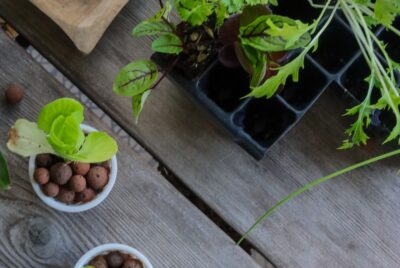
Container gardening is a popular option for indoor gardens, as it allows you to easily move and rearrange your plants as needed. There are countless creative ideas for repurposing household items as planters, from mason jars and teacups to old boots and wine bottles. Not only does this add a unique and personal touch to your indoor garden, but it also helps to reduce waste and promote sustainability.
When choosing containers for your indoor plants, it’s important to consider the needs of the plants. Some plants require deep pots with good drainage, while others can thrive in shallow containers. It’s also important to choose containers that are the right size for your plants, as overcrowding can lead to root rot and other issues. Additionally, consider the material of the containers. Clay pots are a popular choice for indoor plants, as they allow for good airflow and drainage.
Vertical Gardening: How to Maximize Space with Wall-Mounted Gardens
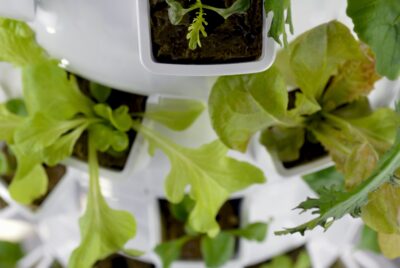
If you’re short on space, vertical gardening is a great option for indoor gardens. Vertical gardens allow you to maximize your space by growing plants on walls or other vertical surfaces. This not only adds a unique and eye-catching element to your home decor, but it also allows you to grow more plants in a smaller area.
There are countless creative ideas for wall-mounted gardens. You can use hanging planters, wall-mounted shelves, or even create your own vertical garden using a trellis or wire mesh. The key is to choose plants that are suited to vertical gardening and can thrive in a limited amount of space. Some popular choices for vertical gardens include herbs, succulents, and trailing plants.
When choosing plants for vertical gardening, it’s important to consider their growth habits. Some plants are more suited to trailing or cascading down a wall, while others are better suited to climbing or attaching themselves to a vertical surface. It’s also important to consider the lighting conditions in your home, as some plants require more sunlight than others.
Hydroponic Gardening: Growing Plants Without Soil
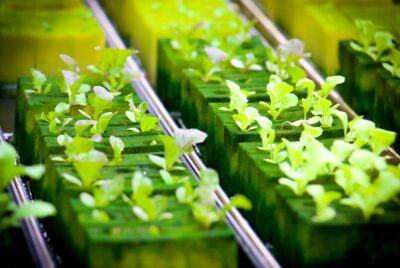
Hydroponic gardening is a method of growing plants without soil. Instead, plants are grown in a nutrient-rich water solution, which provides them with all the nutrients they need to thrive. This method of gardening has become increasingly popular in recent years, as it allows for more control over the growing environment and can lead to faster growth and higher yields.
There are several benefits to hydroponic gardening. First and foremost, it allows you to grow plants in a smaller space, as there is no need for soil. This makes it a great option for those with limited space or who live in urban areas. In addition, hydroponic gardening allows for more control over the growing environment, including temperature, humidity, and nutrient levels. This can lead to faster growth and higher yields.
Setting up a hydroponic garden is relatively simple and can be done with basic materials. You will need a container to hold the water solution, a pump to circulate the water, and a growing medium to support the plants. There are also hydroponic systems available that come with all the necessary components, making it even easier to get started.
Aquaponic Gardening: Combining Fish and Plants in a Closed Ecosystem
Aquaponic gardening is a method of gardening that combines fish and plants in a closed ecosystem. The fish provide nutrients for the plants, while the plants help to filter the water for the fish. This creates a symbiotic relationship between the fish and the plants, resulting in a self-sustaining and highly efficient system.
There are several benefits to aquaponic gardening. First and foremost, it allows for the production of both fish and plants in a single system. This means that you can have a source of fresh, organic produce and fish right in your own home. In addition, aquaponic gardening is highly efficient, as it uses less water and requires less maintenance than traditional gardening methods.
Setting up an aquaponic garden requires a few key components. You will need a fish tank or pond to house the fish, a grow bed or raft system to hold the plants, and a pump to circulate the water. The fish produce waste, which is converted into nutrients by bacteria. The plants then take up these nutrients, filtering the water for the fish. It’s important to choose fish and plants that are suited to the conditions of your aquaponic system.
Lighting and Watering: Essential Tips for Indoor Garden System Maintenance
Proper lighting and watering are essential for the health and well-being of your indoor plants. When it comes to lighting, it’s important to choose the right type of light for your plants. Most indoor plants require bright, indirect light, while others may require more or less light. It’s important to research the lighting requirements of your specific plants and provide them with the appropriate amount of light.
In addition to the type of light, it’s also important to consider the duration and intensity of light. Most indoor plants require 12-16 hours of light per day, while others may require more or less. It’s important to provide your plants with a consistent light source and avoid sudden changes in lighting conditions, as this can cause stress and damage to the plants.
When it comes to watering, it’s important to strike a balance between overwatering and underwatering. Most indoor plants prefer to be kept slightly moist, but not wet. It’s important to water your plants thoroughly, allowing the water to drain out of the bottom of the pot, and then allow the soil to dry out slightly before watering again. It’s also important to avoid getting water on the leaves of the plants, as this can lead to fungal diseases.
DIY Indoor Garden System: Budget-Friendly Ideas for Homegrown Produce
If you’re on a budget, there are plenty of DIY indoor garden systems that you can create using basic materials. One popular option is to create a vertical garden using PVC pipes or gutters. Simply cut the pipes or gutters into sections, drill holes for drainage, and attach them to a wall or other vertical surface. Fill the pipes or gutters with soil and plant your desired plants. This is a great option for growing herbs, lettuce, or other small plants.
Another budget-friendly option is to create a hydroponic garden using a plastic storage container or bucket. Simply cut holes in the lid of the container, insert net pots or cups, and fill them with a growing medium. Place the lid on the container and fill it with a nutrient-rich water solution. Add a pump to circulate the water and you’re ready to start growing your own produce.
When it comes to growing your own produce indoors, there are several options to choose from. Herbs, lettuce, and microgreens are all popular choices for indoor gardens, as they can be grown in small spaces and have a relatively short growing cycle. Tomatoes, peppers, and strawberries are also popular choices, but they require more space and longer growing cycles.
Conclusion: Transform Your Living Space with an Indoor Garden System
In conclusion, indoor gardens are a popular trend in home decor for a variety of reasons. They offer numerous health benefits, enhance the aesthetics of your home, and promote sustainability. Whether you choose to create a container garden, a vertical garden, a hydroponic garden, or an aquaponic garden, there are countless options to choose from. With a little bit of research and planning, you can transform your living space into a lush and vibrant oasis. So why not give indoor gardening a try and see the benefits for yourself?
If you’re interested in setting up your own indoor garden system, you might also want to check out this informative article on indoor herb gardens. It provides valuable insights and tips on how to grow a variety of herbs right in the comfort of your own home. Whether you’re a seasoned gardener or just starting out, this article is a great resource for anyone looking to bring the beauty and benefits of nature indoors.