Hydroponic Gardening – A Beginners Guide
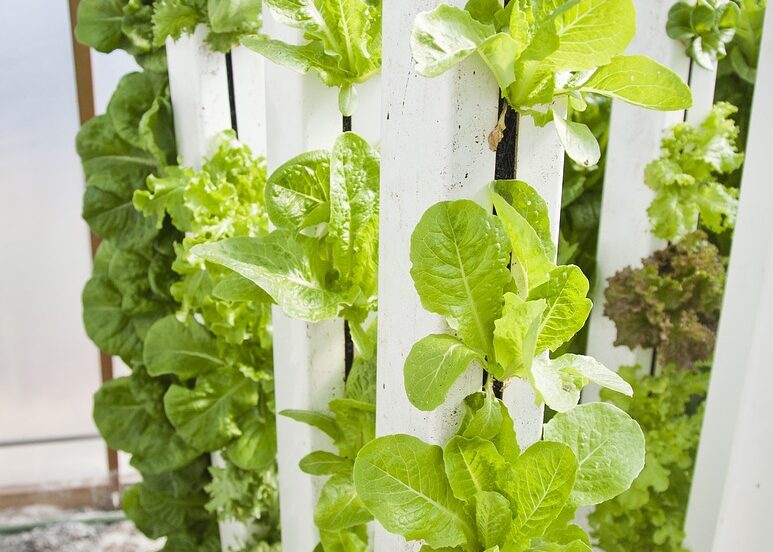
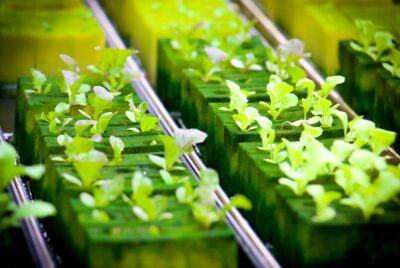
Hydroponic gardening is a method of growing plants without soil. Instead, plants are grown in a nutrient-rich water solution, allowing them to receive all the necessary nutrients directly through their roots. This method of gardening has gained popularity in recent years due to its numerous benefits.
One of the main advantages of hydroponic gardening is that it allows for year-round cultivation. Unlike traditional soil-based gardening, hydroponic systems can be set up indoors, allowing you to grow plants regardless of the season or climate. This is particularly beneficial for those living in areas with harsh winters or limited outdoor space.
Another benefit of hydroponic gardening is that it requires less water compared to traditional gardening methods. In a hydroponic system, water is recirculated and reused, reducing water waste. Additionally, since the plants are grown in a controlled environment, there is less risk of water evaporation or runoff.
Hydroponic gardening also allows for faster growth and higher yields. By providing plants with the optimal amount of nutrients and water, they are able to grow more efficiently. This means that you can harvest your crops sooner and enjoy a higher yield compared to traditional gardening methods.
Setting Up Your Hydroponic Garden: Equipment and Materials Needed
Before setting up your hydroponic garden, it is important to understand the different types of hydroponic systems available. The most common types include nutrient film technique (NFT), deep water culture (DWC), and ebb and flow systems. Each system has its own advantages and disadvantages, so it is important to choose one that suits your needs and space constraints.
In addition to the hydroponic system, there are several essential equipment and materials that you will need. These include a grow tray or container, a water pump, an air pump, grow lights, a pH meter, and a nutrient solution. It is also important to have a timer to control the lighting and watering cycles.
When it comes to choosing between a DIY or pre-made hydroponic system, it ultimately depends on your level of expertise and budget. DIY systems can be more cost-effective, but they require more time and effort to set up. Pre-made systems, on the other hand, are more convenient and often come with detailed instructions.
Choosing the Right Plants for Hydroponic Gardening: Best Varieties for Beginners
Not all plants are suitable for hydroponic gardening, so it is important to choose varieties that thrive in this type of environment. Leafy greens, such as lettuce, spinach, and kale, are some of the easiest plants to grow hydroponically. They have shallow root systems and can tolerate a wide range of growing conditions.
Herbs, such as basil, mint, and parsley, are also well-suited for hydroponic gardening. They require less space and have a shorter growing cycle compared to other plants. Additionally, herbs can be grown indoors year-round, making them a popular choice for hydroponic gardens.
When choosing plants for your hydroponic garden, it is important to consider factors such as temperature, humidity, and light requirements. Some plants, like tomatoes and peppers, require more intense lighting and warmer temperatures, while others, like lettuce and herbs, can tolerate lower light levels and cooler temperatures.
Nutrient Solutions: Understanding the Basics of Hydroponic Plant Nutrition
In hydroponic gardening, nutrient solutions play a crucial role in providing plants with the necessary nutrients for growth. These solutions contain a balanced mix of essential nutrients, including nitrogen, phosphorus, potassium, calcium, magnesium, and trace elements.
The importance of nutrient solutions cannot be overstated, as they directly affect the health and productivity of your plants. Without the proper balance of nutrients, plants may suffer from nutrient deficiencies or excesses, which can lead to stunted growth, yellowing leaves, and poor fruit development.
There are several types of nutrient solutions available, including liquid concentrates, powders, and pre-mixed solutions. Liquid concentrates and powders require mixing with water before use, while pre-mixed solutions are ready to use right out of the bottle. It is important to follow the manufacturer’s instructions when preparing and using nutrient solutions to ensure the correct nutrient balance.
Lighting: How to Provide the Right Amount of Light for Your Plants
Lighting is a crucial factor in hydroponic gardening, as it directly affects the growth and development of plants. In the absence of natural sunlight, artificial grow lights are used to provide the necessary light spectrum for photosynthesis.
There are several types of grow lights available, including fluorescent, high-intensity discharge (HID), and light-emitting diode (LED) lights. Fluorescent lights are commonly used for seedlings and young plants, as they provide a balanced spectrum of light. HID lights, such as metal halide and high-pressure sodium lights, are more suitable for larger plants and flowering stages. LED lights are becoming increasingly popular due to their energy efficiency and customizable light spectrum.
To calculate the right amount of light for your plants, you need to consider the light intensity, duration, and distance from the plants. Light intensity is measured in foot-candles or lux, and different plants have different light intensity requirements. The duration of light exposure depends on the stage of plant growth, with most plants requiring 12-16 hours of light per day. The distance between the light source and the plants should be adjusted to maintain the optimal light intensity without causing heat stress.
Watering and pH Levels: Maintaining Optimal Conditions for Growth
Proper watering and pH levels are essential for maintaining optimal conditions for plant growth in a hydroponic system. Watering is important to ensure that plants receive enough moisture, while pH levels affect nutrient availability and uptake.
In hydroponic gardening, it is important to monitor and adjust the pH levels of the nutrient solution regularly. The ideal pH range for most plants is between 5.5 and 6.5. pH levels outside of this range can lead to nutrient deficiencies or toxicities, as certain nutrients become less available to the plants.
To monitor pH levels, a pH meter or pH test kit can be used. If the pH levels are too high, you can lower them by adding a pH down solution, such as phosphoric acid. If the pH levels are too low, you can raise them by adding a pH up solution, such as potassium hydroxide. It is important to make small adjustments and retest the pH levels until they are within the desired range.
When it comes to watering your hydroponic plants, it is important to provide enough moisture without overwatering. Overwatering can lead to root rot and other fungal diseases. The frequency and duration of watering depend on factors such as the type of hydroponic system, the size of the plants, and the temperature and humidity levels. It is important to monitor the moisture levels in the grow medium and adjust the watering schedule accordingly.
Pest and Disease Control: Preventing and Treating Common Issues in Hydroponic Gardening
While hydroponic gardening can reduce the risk of pests and diseases compared to traditional gardening methods, it is still important to take preventive measures and be prepared to treat any issues that may arise.
Common pests in hydroponic gardening include aphids, whiteflies, spider mites, and fungus gnats. These pests can be controlled through various methods, including biological controls, such as beneficial insects, and organic insecticides, such as neem oil or insecticidal soap. It is important to regularly inspect your plants for signs of pests and take action as soon as possible to prevent infestations.
Diseases, such as root rot and powdery mildew, can also affect hydroponic plants. To prevent diseases, it is important to maintain proper hygiene and sanitation in your hydroponic system. This includes regularly cleaning and disinfecting the equipment and materials, as well as removing any dead or decaying plant material. If diseases do occur, they can be treated with appropriate fungicides or by adjusting the environmental conditions, such as reducing humidity levels.
Harvesting and Pruning: When and How to Harvest Your Hydroponic Plants
Knowing when and how to harvest your hydroponic plants is crucial to ensure optimal flavor and yield. The timing of harvest depends on the type of plant and the desired maturity level.
Signs of readiness for harvest vary depending on the plant, but generally include the appearance of flowers or fruits, the change in color or texture, and the development of a strong aroma. It is important to harvest your plants at the right time to ensure the best flavor and nutritional value.
When it comes to pruning, it is important to remove any dead or damaged leaves or stems to promote healthy growth and prevent the spread of diseases. Pruning also helps to improve air circulation and light penetration, which can lead to higher yields and better quality crops.
Troubleshooting: Common Problems and Solutions in Hydroponic Gardening
Like any form of gardening, hydroponic gardening can come with its fair share of challenges. Common issues in hydroponic gardening include nutrient deficiencies or toxicities, pH imbalances, temperature fluctuations, and pest or disease infestations.
To identify and solve problems in your hydroponic garden, it is important to regularly monitor and observe your plants. Look for signs of nutrient deficiencies, such as yellowing or stunted growth, and adjust the nutrient solution accordingly. Monitor pH levels regularly and make adjustments as needed. Maintain a stable temperature and humidity level to prevent stress on the plants. And be vigilant in inspecting your plants for signs of pests or diseases, taking action as soon as possible to prevent further damage.
For beginners, it is important to start small and gradually expand your hydroponic garden as you gain experience and confidence. Keep a journal to record your observations and learn from your successes and failures. Don’t be afraid to seek advice from experienced hydroponic gardeners or join online communities to share your experiences and learn from others.
Conclusion: Tips for Success and Future Plans for Your Hydroponic Garden
To be successful in hydroponic gardening, it is important to start with the right equipment and materials, choose the right plants, provide the right amount of light and nutrients, and maintain optimal conditions for growth. Regular monitoring and observation, as well as timely action, are key to preventing and solving problems.
As you gain experience and confidence in hydroponic gardening, you can start experimenting with different plant varieties and growing techniques. You can also consider expanding your hydroponic garden to include more plants or even start a commercial hydroponic operation.
In conclusion, hydroponic gardening offers numerous benefits, including year-round cultivation, water efficiency, faster growth, and higher yields. With the right knowledge and equipment, anyone can enjoy the rewards of growing their own fresh and nutritious produce. So why not give hydroponic gardening a try and see the difference it can make in your life?
If you’re interested in indoor gardening and hydroponics, you’ll definitely want to check out Hydro Indoors. They have a wide range of articles and resources to help you get started with your own indoor garden. One article that caught my attention is their guide on creating an indoor herb garden. It provides valuable tips and insights on how to grow herbs successfully indoors, even if you have limited space. Whether you’re a beginner or an experienced gardener, this article is a must-read for anyone looking to add fresh herbs to their culinary creations. You can find it here.