From Seed to Harvest: The Benefits of Indoor Growing Systems for Your Health and Wallet!
Introduction to Indoor Growing Systems
Indoor growing systems refer to the practice of growing plants, fruits, and vegetables indoors, using artificial lighting and controlled environments. This method of gardening has gained popularity in recent years due to its numerous benefits and the increasing interest in sustainable and self-sufficient living. There are various types of indoor growing systems, including hydroponics, aeroponics, and vertical farming.
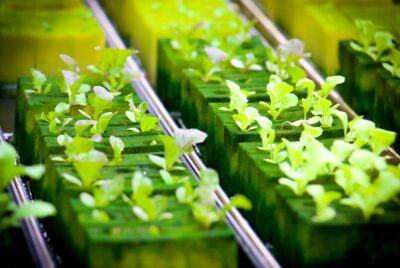
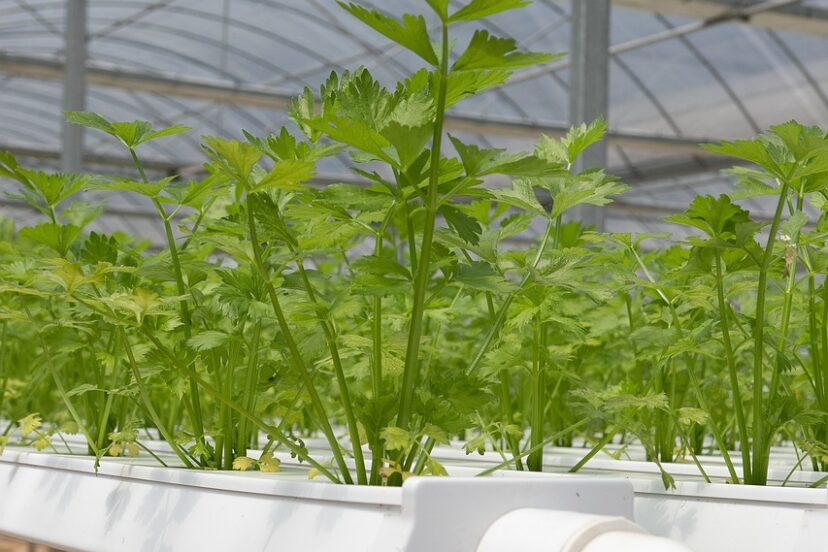
Hydroponics is a method of growing plants without soil, where the plants are instead grown in a nutrient-rich water solution. Aeroponics, on the other hand, involves growing plants in an air or mist environment, with the roots suspended in the air and periodically misted with nutrient-rich water. Vertical farming is a system that utilizes vertical space to grow plants, often in stacked layers, maximizing the use of limited space.
Understanding the Benefits of Indoor Growing
One of the main benefits of indoor growing systems is the ability to grow plants year-round. Unlike traditional outdoor gardening, indoor growing allows for a continuous harvest regardless of the season. This is particularly advantageous for those living in regions with harsh climates or limited growing seasons. With indoor growing, you can have fresh produce at your fingertips all year long.
Another significant advantage of indoor growing is the control it provides over growing conditions. By creating a controlled environment, you can optimize factors such as temperature, humidity, and lighting to ensure optimal plant growth. This control also eliminates the need for pesticides or herbicides, as pests and diseases are less likely to thrive in a controlled indoor environment. This means you can enjoy chemical-free produce that is safe for consumption.
Additionally, indoor growing eliminates the risks associated with weather-related factors. Outdoor gardens are susceptible to extreme weather conditions such as frost, hail, or drought, which can damage or destroy crops. With indoor growing, you can protect your plants from these risks and ensure a consistent and reliable harvest.
How Indoor Growing Systems Can Improve Your Health
Indoor growing systems can have a positive impact on your health in several ways. Firstly, they provide easy access to fresh produce. With an indoor garden, you can have a constant supply of fruits, vegetables, and herbs right in your home. This means you can incorporate more fresh and nutritious ingredients into your meals, leading to a healthier diet overall.
Furthermore, indoor-grown produce is often more nutrient-dense compared to store-bought produce. This is because indoor growing allows for precise control over the growing conditions, resulting in plants that are able to absorb and retain more nutrients. Studies have shown that indoor-grown produce can have higher levels of vitamins, minerals, and antioxidants, making it a healthier choice for consumption.
Indoor growing also reduces your exposure to harmful chemicals. Traditional farming methods often involve the use of pesticides and herbicides, which can leave residues on the produce. By growing your own food indoors, you can eliminate the need for these chemicals and have peace of mind knowing that your food is free from harmful substances.
The Cost Savings of Indoor Growing
One of the most appealing aspects of indoor growing systems is the potential for cost savings. By growing your own food, you can significantly lower your grocery bills. The initial investment in setting up an indoor growing system may seem expensive, but over time, the savings can add up. You no longer have to rely on store-bought produce, which can be costly, especially if you prefer organic options.
Indoor growing also reduces food waste. With traditional gardening, it’s common to have an abundance of produce all at once, leading to spoilage and waste. Indoor growing allows for a more controlled and consistent harvest, ensuring that you only harvest what you need. This can help reduce food waste and save money in the long run.
Furthermore, if you have a surplus of produce from your indoor garden, you can consider selling it. Many people are willing to pay a premium for locally grown, organic produce. By selling your excess produce, you can potentially earn some extra income and offset the costs of your indoor growing system.
Choosing the Right Indoor Growing System for Your Needs
When choosing an indoor growing system, there are several factors to consider. Firstly, you need to assess the available space in your home. Different systems require different amounts of space, so it’s important to choose one that fits your available area. Vertical farming systems are ideal for small spaces, as they maximize the use of vertical space.
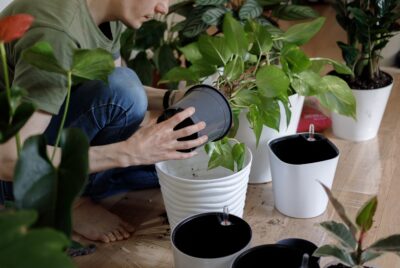
Another factor to consider is your level of experience and commitment. Some systems, such as hydroponics, require more technical knowledge and maintenance compared to others. If you’re a beginner or have limited time to dedicate to your indoor garden, you may want to opt for a simpler system, such as a self-watering planter or a small herb garden.
Popular indoor growing systems include countertop hydroponic systems, vertical farming towers, and grow tents. Countertop hydroponic systems are compact and easy to use, making them suitable for beginners. Vertical farming towers are ideal for maximizing space and can accommodate a wide variety of plants. Grow tents provide a controlled environment for larger-scale indoor gardening and are often used by more experienced growers.
Tips for Setting up and Maintaining Your Indoor Growing System
Setting up an indoor growing system requires careful planning and attention to detail. Firstly, you need to choose a suitable location for your system. It should be an area that receives adequate lighting and is easily accessible for maintenance. If natural light is limited, you may need to invest in artificial lighting, such as LED grow lights, to ensure proper plant growth.
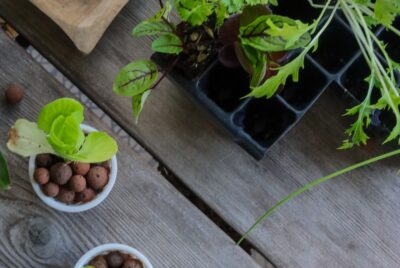
Next, you need to select the appropriate growing medium for your plants. Hydroponic systems typically use materials such as perlite, vermiculite, or coconut coir as a growing medium. Aeroponic systems often use foam or sponge-like materials to support the plants. It’s important to choose a medium that provides adequate support and allows for proper root growth.
Maintaining your indoor growing system involves regular monitoring and adjustment of environmental factors. This includes monitoring temperature, humidity, and nutrient levels. It’s important to keep a close eye on your plants and address any issues promptly. Regular pruning and harvesting are also necessary to ensure healthy plant growth and prevent overcrowding.
Common issues that may arise in indoor growing systems include nutrient deficiencies, pest infestations, and mold or mildew growth. It’s important to familiarize yourself with the signs of these issues and take appropriate measures to address them. This may involve adjusting nutrient levels, using organic pest control methods, or improving ventilation to prevent mold growth.
The Environmental Benefits of Indoor Growing
In addition to the personal benefits, indoor growing systems also have significant environmental benefits. One of the main advantages is the reduced carbon footprint. Traditional agriculture relies heavily on transportation, with produce often traveling long distances before reaching consumers. By growing your own food indoors, you eliminate the need for transportation, reducing carbon emissions and energy consumption.
Indoor growing also requires less water compared to traditional farming methods. In hydroponic and aeroponic systems, water is recirculated and reused, minimizing water waste. This is particularly important in regions facing water scarcity or drought conditions. By conserving water, indoor growing contributes to sustainable water management.
Furthermore, indoor growing reduces the need for land and soil. Traditional agriculture often involves clearing land and depleting soil nutrients, leading to deforestation and soil erosion. Indoor growing systems eliminate the need for large amounts of land and can be implemented in urban areas, making efficient use of limited space.
How Indoor Growing Can Help You Eat Healthier
Indoor growing systems can have a significant impact on your diet and overall health. Firstly, they provide access to a wide variety of produce. With an indoor garden, you can grow a range of fruits, vegetables, and herbs that may not be readily available or affordable in your local grocery store. This allows you to diversify your diet and incorporate more nutrient-rich ingredients into your meals.
Indoor growing also allows for control over growing conditions. You can choose to grow your produce organically, without the use of pesticides or herbicides. This ensures that your food is free from harmful chemicals and additives, promoting a healthier and more natural diet.
Additionally, indoor growing systems eliminate the need for preservatives or additives. Store-bought produce often contains preservatives to prolong shelf life and maintain appearance. By growing your own food, you can enjoy fresh, preservative-free produce that is at its peak of flavor and nutritional value.
The Convenience of Indoor Growing
One of the main advantages of indoor growing systems is the convenience they offer. Unlike traditional gardening, indoor growing does not require outdoor space. This makes it accessible to those living in apartments or urban areas with limited access to gardens. With an indoor garden, you can enjoy the benefits of gardening without the need for a backyard or outdoor space.
Indoor growing systems are also suitable for those with limited gardening experience. Many systems are designed to be user-friendly and require minimal maintenance. They often come with built-in features such as self-watering mechanisms or automated lighting systems, making it easy for beginners to get started.
Furthermore, indoor growing provides easy access to fresh produce. With an indoor garden, you can simply harvest what you need, when you need it. This eliminates the need for frequent trips to the grocery store and ensures that you always have fresh ingredients on hand. It also reduces the risk of food spoilage, as you can harvest only what you need, minimizing waste.
Conclusion: Why You Should Consider Indoor Growing for Your Health and Wallet
In conclusion, indoor growing systems offer numerous benefits for both your health and your wallet. They provide year-round access to fresh produce, allowing you to incorporate more nutritious ingredients into your diet. Indoor-grown produce is often more nutrient-dense and free from harmful chemicals, promoting a healthier lifestyle.
Indoor growing also offers cost savings, as you can significantly reduce your grocery bills and minimize food waste. Additionally, you have the potential to sell excess produce, providing an opportunity for extra income. With the variety of indoor growing systems available, there is an option to suit every space and level of experience.
Furthermore, indoor growing systems have environmental benefits, such as reducing carbon emissions and water usage. They also allow for more efficient use of limited space and eliminate the need for land clearance. Overall, indoor growing is a sustainable and convenient way to grow your own food and take control of your health and well-being.
If you’re interested in setting up your own indoor herb garden, you’ll definitely want to check out this informative article on hydroindoors.com. It provides a comprehensive guide on how to create a thriving indoor growing system for your favorite herbs. From choosing the right containers and lighting to understanding the proper watering and fertilizing techniques, this article covers it all. Whether you’re a seasoned gardener or just starting out, this article is a must-read for anyone looking to bring the beauty and freshness of nature indoors.